Kuala Lumpur is a vibrant capital filled with impressive architecture, colourful neighbourhoods, diverse cultures and some of the most memorable food in Southeast Asia.
Known locally as KL, Kuala Lumpur is Malaysia's largest city and one of the region's most recognisable urban destinations. The city combines modern development with traditional markets, religious landmarks, green parks and neighbourhoods shaped by Malay, Chinese and Indian heritage.
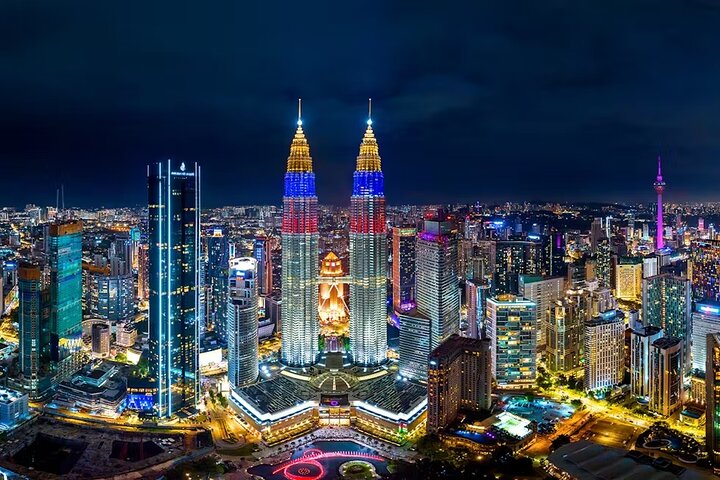
Visitors can explore luxury shopping centres in the morning, enjoy local street food in the afternoon and watch the skyline light up at night. Each area has its own atmosphere, making KL suitable for travellers interested in culture, food, shopping, architecture or city photography.
Iconic Places to Visit
Kuala Lumpur offers a mix of famous landmarks and local neighbourhoods. Some locations are best visited during the day, while others become more impressive after sunset.
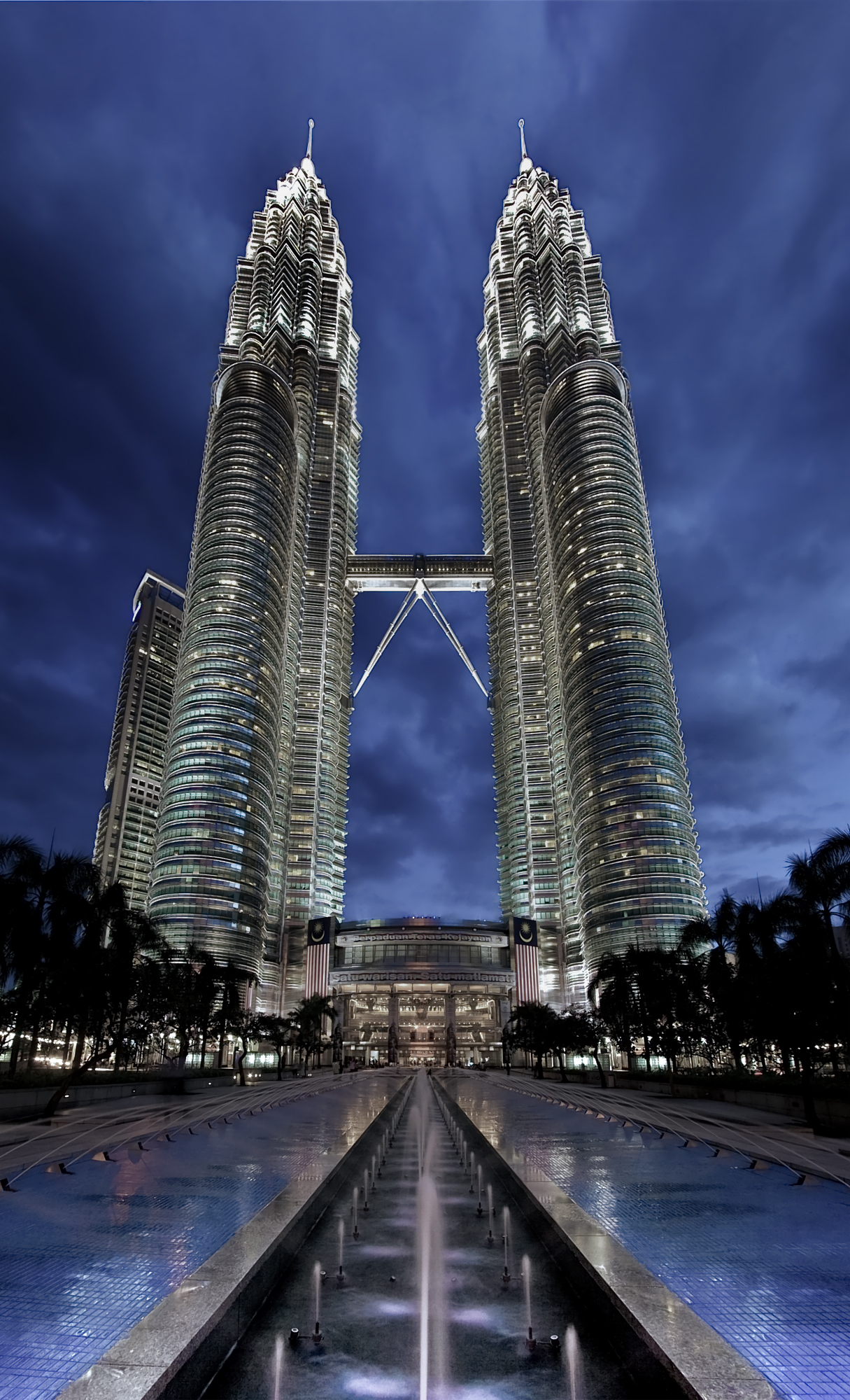
Petronas Twin Towers
The twin towers dominate the Kuala Lumpur skyline and are surrounded by KLCC Park, shopping centres and city hotels.
Batu Caves
A famous limestone hill and Hindu temple complex known for its colourful staircase and large golden statue.
Merdeka Square
A historic area surrounded by colonial architecture and important buildings connected to Malaysia's independence.
Bukit Bintang
One of the city's busiest districts, filled with shopping, restaurants, cafes and nightlife.
Kuala Lumpur is warm throughout the year. Lightweight clothing, comfortable shoes and an umbrella are useful when exploring the city.
Food and Local Flavours
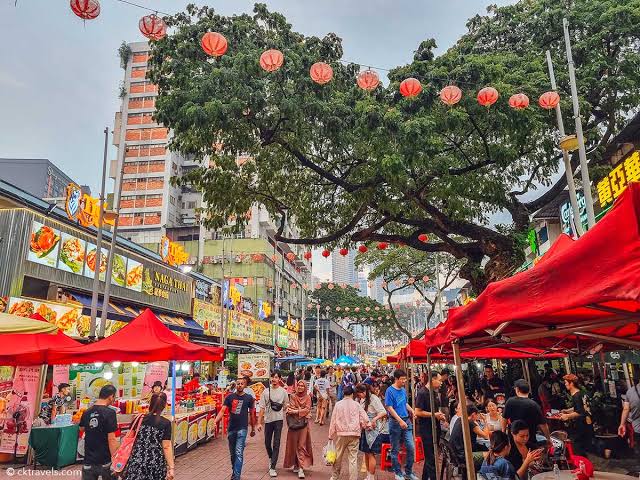
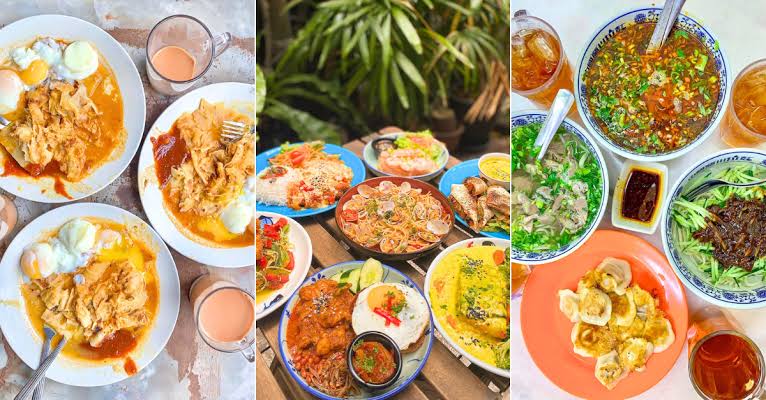
Food is an important part of daily life in Kuala Lumpur. The city's multicultural population creates an impressive variety of dishes, from traditional Malay meals to Chinese noodles, Indian curries and modern cafe food.
Popular dishes include nasi lemak, char kway teow, roti canai, satay and laksa. Local food can be found in restaurants, food courts, coffee shops and night markets across the city.
Culture and City Life
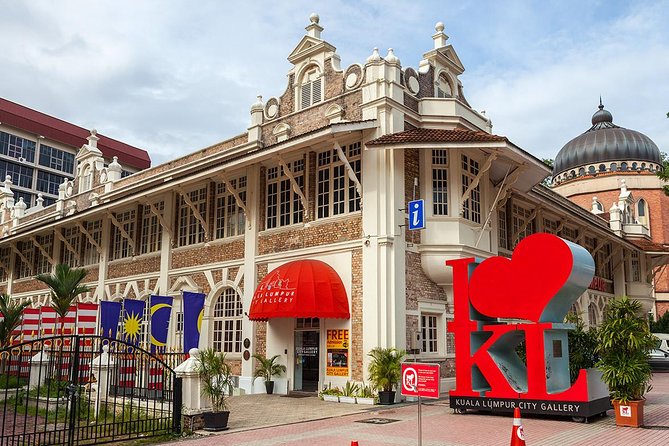
Kuala Lumpur's identity is shaped by several communities, languages and traditions. Mosques, temples and churches can often be found close to one another, reflecting the city's cultural diversity.
Traditional festivals, markets and family businesses continue to exist alongside modern offices, rail networks, shopping centres and residential towers. This contrast gives the city its unique character.
Getting Around Kuala Lumpur
The city is connected by rail services, buses, taxis and ride-hailing services. Central areas such as KLCC, Bukit Bintang and Chinatown are relatively easy to reach using public transport.
Traffic can become busy during peak hours, so travellers should allow additional time when moving between locations. Walking is convenient within individual districts, although the tropical weather can be hot during midday.
Final Thoughts
Kuala Lumpur is a city of contrasts. It is modern yet traditional, energetic yet welcoming, and international while maintaining a strong Malaysian identity.
Whether visiting for a short stop or a longer holiday, the city offers enough food, culture, architecture and neighbourhoods to make every visit feel different.